
Building Certifier in NSW: Ensure Compliance

As a homeowner or developer in NSW, navigating the complexities of compliance can be daunting. Ensuring that your construction project adheres to the relevant standards and certification requirements is crucial.
I provide essential certification services to ensure your project meets all regulatory requirements, from initial assessment to final approval. With my expertise, you can confidently proceed with your building work, knowing that all compliance aspects are properly addressed.
Key Takeaways
- Expert certification services for NSW construction projects.
- Ensuring compliance with relevant building codes and regulations.
- Streamlined approval process to save time and prevent costly issues.
- Comprehensive certification covering all aspects of the building process.
- Professional guidance to navigate complex compliance requirements.
Understanding the Role of a Building Certifier in NSW

As a registered building certifier in NSW, I play a pivotal role in the construction process, ensuring that all projects adhere to the relevant building codes and legislation. My role is crucial in maintaining compliance and safety standards in the building industry.
The Difference Between a Certifier and a Principal Certifier
A Certifier is engaged to issue a Complying Development Certificate or Construction Certificate, ensuring that plans comply with relevant legislation, building codes, and consent conditions. In contrast, a Principal Certifier is responsible for conducting mandatory inspections during construction to ensure compliance with approved plans and the National Construction Code, also known as the Building Code of Australia.
Why Building Certification is Essential for Compliance
Building certification is vital as it provides independent verification that a project meets all regulatory requirements, thereby protecting both property owners and future occupants. As a registered certifier, my certification work involves thorough assessments to ensure compliance before construction begins.
My Approach as a Registered Building Certifier
My approach focuses on clear communication, thorough documentation, and proactive problem-solving to ensure that projects proceed smoothly through the certification process. I issue various certificates, including development certificates, construction certificates, and occupation certificates, each serving a specific compliance purpose.
Choosing the Right Class of Building Certifier for Your Project
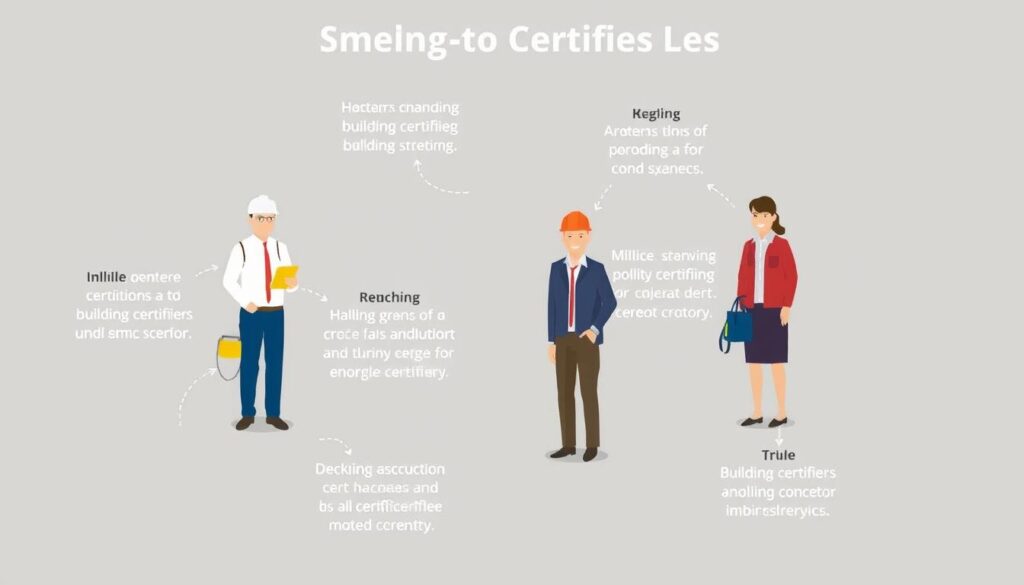
Understanding the different classes of building certifiers in NSW is essential for the success of your construction project. The class of building certifier you choose can significantly impact the certification process, ensuring compliance with NSW regulations.
Building Surveyor Classifications Explained
Building surveyors play a crucial role in the certification process, and their classifications determine the scope of work they can undertake. There are different types of building surveyors, including unrestricted, restricted, and building inspectors.
Unrestricted Building Surveyors
Unrestricted building surveyors have the broadest scope of certification work. They are authorised to carry out all certification work other than certification work under the Strata Act and certification work under the Planning Act in relation to subdivision work. This makes them suitable for complex commercial and residential projects.
Restricted Building Surveyors
Restricted building surveyors have limitations on the building classes or sizes they can certify. Some are restricted to only class 1 and 10 buildings, which include residential houses and non-habitable structures. Their specific limitations depend on their class registration.
Building Inspectors
Building inspectors are authorised to perform specific inspection functions. They play a vital role in ensuring that construction work complies with the relevant building codes and regulations.
Specialist Certifiers for Specific Requirements
Apart from building surveyors, there are specialist certifiers who cater to specific requirements. These include strata certifiers, swimming pool inspectors, and fire safety certifiers.
Strata Certifiers
Strata certifiers are authorised to carry out certification work under the Strata Act. They are essential for strata subdivisions, ensuring compliance with the relevant strata regulations.
Swimming Pool Inspectors
Swimming pool inspectors are specifically authorised to certify swimming pool barriers under the Swimming Pools Act 1992. They ensure that swimming pools meet the safety requirements outlined in the Building Code of Australia.
Fire Safety and Hydraulic Certifiers
Fire safety certifiers focus on fire protection systems, emergency planning, and compliance with fire safety provisions of the Building Code of Australia. Hydraulic and stormwater certifiers specialize in water management systems, drainage, and related infrastructure compliance.
How to Verify a Certifier’s Credentials
To verify a certifier’s credentials, you should check the Building Certifiers Public Register. It’s essential to confirm their class registration is appropriate for your project and review any conditions on their registration. This ensures that your chosen certifier has the necessary qualifications, experience, and insurance to perform the required certification work.
The Building Certification Process: Step-by-Step Guide
Contact Us
As a registered building certifier, I guide you through the step-by-step building certification process. This process is crucial for ensuring that your building project complies with the relevant standards and regulations in NSW.
Initial Assessment and Documentation Requirements
The building certification process begins with an initial assessment where I review your plans, specifications, and documentation to ensure they meet all relevant standards and the Building Code of Australia. This step is critical in identifying any potential issues early on, allowing for a smoother approval process.
Approval Pathways: CDC vs DA/CC
In NSW, there are two main approval pathways: Complying Development Certificate (CDC) for straightforward projects that meet State Environmental Planning Policy criteria, and Development Approval (DA) with Construction Certificate (CC) for more complex projects. The choice between these pathways depends on the project’s complexity and compliance with specific regulations.
Complying Development Certificate (CDC) Process
The CDC process is a streamlined approval pathway that combines planning and construction approval in one certificate, typically processed within 10-20 days for compliant applications. This pathway is ideal for projects that meet the predetermined criteria set out by the State Environmental Planning Policy.
Development Approval (DA) and Construction Certificate (CC) Process
For projects requiring Development Approval (DA), the local council assesses planning aspects before a Construction Certificate (CC) can be issued to verify building code compliance prior to commencing work. This pathway is necessary for more complex projects that do not meet the complying development criteria.
Mandatory Inspections During Construction
Once your development certificate is issued, I conduct mandatory inspections at critical stage points throughout the construction process to ensure compliance with approved plans and the Building Code of Australia. These inspections are crucial for identifying and addressing any compliance issues promptly.
Critical Stage Inspections
Critical stage inspections include foundation/footings, slab reinforcement, framing, waterproofing, and final inspection, with each stage requiring approval before work can proceed. These inspections ensure that the construction work meets the required standards and regulations.
Common Compliance Issues to Avoid
Common compliance issues to avoid include unauthorized variations from approved plans, inadequate waterproofing in wet areas, and insufficient documentation of building works. Being aware of these potential issues can help prevent delays and costly rectification work.
Obtaining Your Occupation Certificate
The final step in the certification process is obtaining your Occupation Certificate, which verifies that the completed building work complies with development consent and is suitable for occupation. For the Occupation Certificate to be issued, all critical stage inspections must be satisfactorily completed, and necessary compliance documentation provided.
Contact Me for Professional Building Certification Services in NSW
As a registered certifier with extensive experience, I provide personalized certification services tailored to your project’s specific needs. At Meta Certifiers Pty Ltd, located at 1/25 Padstow Pde, Padstow NSW 2211, I offer comprehensive building certification services covering various certification classes.
You can easily contact me via email at [email protected] or by phone at 1300 740 378 for prompt, professional assistance. Unlike local council services, I offer more flexible scheduling and often faster processing times for your certification work.
To verify my credentials, you can search the Building Certifiers Public Register. I maintain current knowledge of all building codes and regulations, ensuring your project meets all compliance standards. Contact me today to discuss how I can help ensure your building project proceeds smoothly through the certification process with minimal delays.