

Essential DPC and Weep Hole Tips – Building Code Compliance

As a building certifier, I’ve seen firsthand how moisture infiltration can threaten a structure’s integrity. An effective damp proof course (DPC) is crucial in modern construction to prevent moisture from rising into walls and floors.
Used for damp protection, a DPC is a critical barrier designed to block moisture from the ground. Whether in residential homes or commercial projects, these systems rely on thin waterproof materials to create an impermeable shield. I’ll be sharing expert insights on the critical role of DPC and weep holes in Australian construction, focusing on building code compliance requirements.
Key Takeaways
- Understanding the role of DPC in preventing moisture infiltration
- The importance of weep hole placement in moisture management
- Australian Building Code requirements for DPC and weep hole installation
- Best practices for ensuring structural integrity
- Common compliance pitfalls to avoid in construction projects
The Critical Role of Moisture Management in Australian Construction
Moisture management plays a vital role in the Australian construction industry, safeguarding buildings against potential damage. As a crucial aspect of building maintenance, it involves implementing effective systems to prevent water ingress and moisture accumulation.

Understanding the Threat of Water Damage to Structural Integrity
Water damage poses a significant threat to the structural integrity of buildings. When moisture seeps into walls and foundations, it can cause deterioration of building materials, compromising the overall stability of the structure. Effective damp proof measures are essential to mitigate this risk.
How Proper Moisture Barriers Protect Your Building Investment
Properly installed moisture barriers function as an insurance policy for your building investment. By creating multiple layers of protection, these barriers prevent costly repairs down the line. Effective systems and solutions integrate various components, including DPC and weep holes, to ensure comprehensive protection against moisture-related issues. By investing in these measures, property owners can safeguard their assets and maintain the value of their investment over time, ensuring the longevity of the proof against damp.
Understanding Damp Proof Course (DPC): Your Building’s First Line of Defense
A damp proof course (DPC) is a critical component in modern construction, serving as the primary defense against moisture ingress. It plays a vital role in maintaining the structural integrity and overall health of a building.
What Is DPC and How Does It Function?
A DPC is a layer or material installed in walls to prevent moisture from rising through the structure by capillary action. This barrier is crucial in protecting walls from dampness, which can lead to various issues including structural damage and health concerns. By effectively managing moisture, a DPC ensures the longevity of a building.
The Consequences of Inadequate Damp Proofing
Inadequate damp proofing can lead to severe consequences, including extensive structural damage such as rotting timber frames and corroding steel reinforcement. Beyond structural concerns, it can also result in persistent mould and mildew problems, creating serious health issues for occupants. The financial implications are substantial, with remediation costs potentially exceeding the original installation cost by 15-20 times. Aesthetic damage, including efflorescence and staining of internal finishes, further reduces property value.
I’ve observed cases where insufficient damp proofing has led to significant problems, emphasizing the importance of a properly installed DPC in maintaining both the structural integrity and aesthetic appeal of a building.
Weep Holes Explained: Essential Ventilation for Wall Cavities
The importance of weep holes in masonry construction cannot be overstated, as they provide essential ventilation for wall cavities. Weep holes are small openings in the exterior wall that allow water to drain out from the cavity, thus preventing accumulation that could lead to structural damage.
The Purpose and Function of Weep Holes in Masonry Construction
Weep holes serve a critical purpose in masonry construction by providing a drainage path for water that penetrates the outer wall. This is crucial in cavity wall construction where the cavity is designed to be a drainage path.
- The DPC directs water toward the weep holes for effective drainage.
- Proper installation ensures a natural flow path to the weep holes.
How Weep Holes Work with DPC Systems
Weep holes work in conjunction with DPC systems to manage moisture effectively. The DPC prevents moisture from migrating upward, while weep holes allow water that has penetrated the exterior wall to escape.
| Component | Function |
|---|---|
| DPC | Prevents upward migration of moisture |
| Weep Holes | Allows water to escape from the cavity |
| Cavity | Provides a drainage path for water |
Australian Building Code Requirements for DPC Installation
Understanding the Australian Building Code’s requirements for DPC installation is crucial for ensuring compliance and structural integrity. The code provides detailed specifications to prevent moisture-related issues in buildings.
National Construction Code Specifications for Damp Proofing
The National Construction Code (NCC) outlines the minimum requirements for DPC installation across Australia. Compliance with these standards is mandatory to ensure buildings are protected against moisture damage. The NCC specifies the materials and installation methods that must be used.
| State/Territory | DPC Requirements | Additional Specifications |
|---|---|---|
| Queensland | Enhanced moisture protection systems | Cyclone-prone regions |
| New South Wales | BASIX requirements intersect with DPC regulations | Residential construction |
| Victoria | Sub-floor ventilation with DPC systems | Sloping sites |
State-Specific Variations in DPC Requirements
While the NCC provides a national framework, individual states have additional requirements. For instance, Western Australia has specific regulations for coastal construction, requiring enhanced DPC systems. South Australia mandates specialized DPC systems for buildings on reactive clay soils.
Essential DPC and Weep Hole Tips – Building Code Compliance Checklist
Ensuring compliance with building codes is crucial for the longevity and integrity of any construction project, particularly when it comes to damp proofing and weep hole installation. As a building professional, adhering to these codes is not just about legal compliance but also about safeguarding the structure against potential damages.
Material Selection Guidelines for Different Building Types
Selecting the appropriate DPC material is vital and depends on the building type and environmental conditions. For instance, in cavity walls, the DPC should be compatible with the wall’s construction materials and should effectively prevent moisture transfer.
Proper Installation Heights and Positioning
Correct installation height and positioning of DPC are critical. The DPC should be installed at least 150mm above the finished ground level to prevent splash-back moisture. For cavity walls, a cavity tray should be positioned above openings to direct water outwards through weep holes.
| DPC Installation Requirement | Specification |
|---|---|
| Height above finished ground level | At least 150mm |
| Height above paved or concreted areas | At least 75mm |
| Cavity tray positioning | Above openings with end dams and stop ends |
DPC Material Options: Making the Right Choice for Your Project
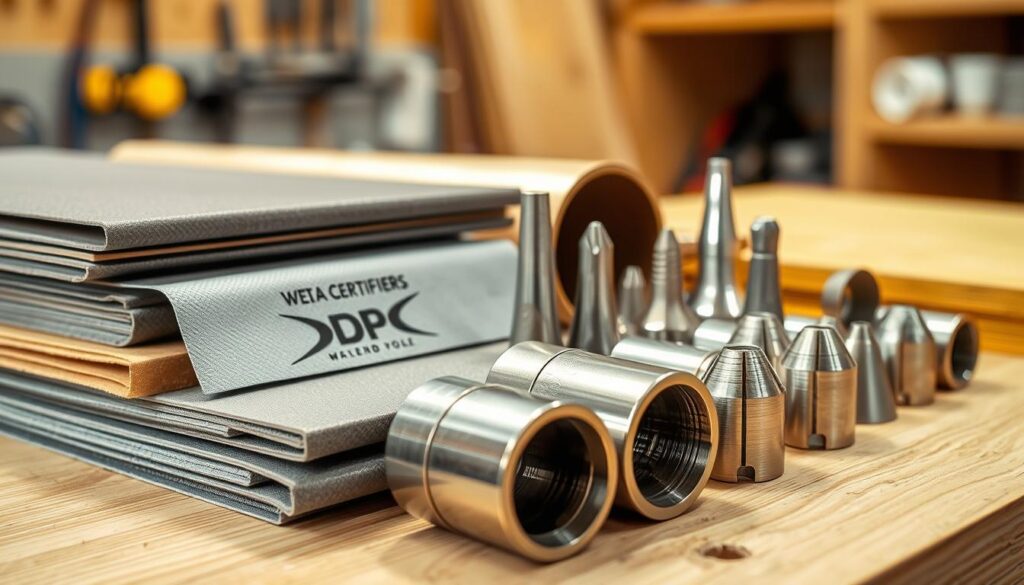
Selecting the appropriate damp proof course (DPC) material is crucial for the longevity and integrity of any building project in Australia. The right DPC material not only ensures compliance with building regulations but also protects the structure from moisture damage.
Traditional vs. Modern DPC Solutions
Traditional DPC materials, such as bitumen and slate, have been used for decades. However, modern solutions, including recycled polyethylene products and advanced bitumen alternatives, offer improved performance and sustainability. These modern materials provide enhanced durability and reduced environmental impact.
Environmental Considerations in DPC Selection
When choosing DPC materials, it’s essential to consider their environmental implications. I recommend materials with reduced environmental impact, such as those that are recyclable and free from volatile organic compounds (VOCs). The longevity of DPC materials is also a significant factor, as it affects the need for replacement and the overall environmental footprint of the building project.
Weep Hole Best Practices: Size, Spacing and Placement
Effective weep hole installation is crucial for maintaining the integrity of a building’s cavity wall system. Weep holes are essential for draining moisture that accumulates within the cavity, thereby preventing water damage to the structure.
Optimal Weep Hole Dimensions and Intervals
The size and spacing of weep holes are critical factors in their effectiveness. Typically, weep holes should be at least 10mm in diameter to ensure adequate drainage. The spacing between weep holes usually ranges from 600mm to 900mm, depending on the specific building code requirements and the type of construction.
| Weep Hole Diameter | Spacing | Application |
|---|---|---|
| 10mm | 600mm | Masonry walls |
| 12mm | 900mm | Cavity walls with high rainfall exposure |
Critical Locations Requiring Special Attention
Certain areas require special attention when it comes to weep hole placement. For instance, above wall openings where cavity trays are used, weep holes must be correctly positioned to drain collected moisture. Additionally, stepped foundations on sloping sites necessitate extra weep holes at each step to prevent water pooling.
Other critical locations include intersections of different wall systems, parapet walls, and freestanding masonry walls, where continuous drainage paths are essential. Ensuring weep holes are not obstructed by mortar droppings on wall ties is also vital to maintain the integrity of the moisture management system.
Common Compliance Issues I Encounter During Inspections
During my inspections, I’ve encountered a multitude of compliance issues that highlight the importance of proper DPC and weep hole installation. These issues can lead to significant problems if not addressed promptly.
The necessity of thorough training and knowledge in the field is underscored by cases where initial inspectors fail to notice genuine compliance issues. This emphasizes the need for vigilance and expertise in identifying potential problems.
Frequent DPC Installation Mistakes and Their Consequences
Inspecting various building sites has revealed that DPC installation mistakes are not uncommon. These errors can have serious consequences, including water damage and structural integrity issues.
- Omission of weep holes at the base of cavity walls, preventing proper cavity drainage.
- Weep holes blocked by mortar droppings, rendering them ineffective.
Weep Hole Errors That Lead to Failed Inspections
Weep hole errors are another common issue that can lead to failed inspections. Incorrect spacing, missing weep holes above window and door openings, and absence of weep holes at stepped DPC locations are some of the problems encountered.
- Incorrect spacing of weep holes, exceeding the maximum 1200mm specified in the building code.
- Missing weep holes above window and door openings where cavity trays are installed.
Maintenance and Inspection Tips for Long-Term Protection
The longevity and health of a building depend significantly on the proper maintenance of its damp proof course (DPC) and weep holes. Regular checks and maintenance are crucial to ensure these components function effectively.
How to Identify Signs of DPC Failure
Identifying signs of DPC failure is essential for taking timely corrective action. Look for damp patches, salt deposits, or mold growth on walls, particularly near the ground level. If you notice any of these signs, it’s crucial to investigate further to determine if your DPC is failing.
Regular inspection can help detect issues early, potentially saving on costly repairs. During inspections, check for any damage or deterioration in the DPC, and address these issues promptly.
Keeping Weep Holes Clear and Functional
Weep holes play a critical role in drainage and ventilation within masonry walls. To keep them functional, use a small wire brush or compressed air to clean out debris, spider webs, and other obstructions annually. For buildings in areas with heavy vegetation or near coastal regions, more frequent cleaning may be necessary to prevent clogging.
- Inspect weep holes annually, or more frequently in certain environments.
- Use appropriate tools like wire brushes or compressed air for cleaning.
- Ensure landscaping or hardscaping hasn’t obstructed weep holes.
By incorporating weep hole maintenance into your regular building health checks, you can preserve the structural integrity and health of your building. Regular maintenance is not just about preventing immediate issues; it’s also about ensuring the long-term durability of your building’s components.
Professional Certification Services for Peace of Mind
As a specialist in building certification services, I understand the importance of DPC and moisture management compliance. At Meta Certifiers Pty Ltd, I provide comprehensive building certification services that give property owners and builders confidence that their projects meet all relevant building standards.
My certification process includes a detailed inspection of DPC installation, weep hole placement, and overall moisture management systems. This thorough examination provides clear documentation that can protect you from future liability and compliance issues.
With years of experience in Australian building regulations, I offer expert guidance on navigating the complex requirements for moisture protection in different building types and climate zones across the country. My professional certification services include not just the identification of compliance issues but also practical, cost-effective solutions that bring your project into alignment with building code requirements.
Contact Information:
For peace of mind on your next building project, contact me at Meta Certifiers Pty Ltd, located at 1/25 Padstow Pde, Padstow NSW 2211, via email at [email protected], or by phone at 1300 740 378 to discuss how I can help ensure your project’s moisture management systems meet all compliance standards.