
What documents does a private certifier need in Sydney?
What documents does a private certifier need in Sydney?
If you’re searching for private certifier sydney within 400m or wondering about private certifier sydney cost,
here’s the plain-English guide to the documents a private certifier typically requests before they can assess your application.
I’ll also share a fast “prepare once” checklist you can use for residential, commercial, and CDC-style pathways.
1. Introduction & First Impressions
Hook (my key takeaway)
Your biggest time-saver isn’t “finding the top rated private certifier sydney”—it’s arriving with the right files in the right order.
When clients bring a clean set (site plan, architectural plans, BASIX where relevant, fire safety info for commercial, and the required forms),
approvals usually move faster and fewer requests bounce back to them.
Product context (what this “guide” is)
This article is a practical “document map” for anyone dealing with a private building certifier sydney—from home extensions to office fit-outs.
It’s for homeowners, property managers, and builders who want clarity on what paperwork is needed before the first call.
Your credentials (2025 experience)
I’ve helped clients work through document requirements and booking steps via Meta Certifiers.
In 2025, I repeatedly saw the same pattern: delays happen when key documents are missing or file versions are unclear.
Testing period
I’ve validated this checklist against real client workflows throughout 2025 (residential renovations, multi-unit approvals, and commercial compliance tasks).
or “private certifier near me”. The document list is similar, but the details required change by project type and council/zone rules.
2. Product Overview & Specifications

What’s included (your deliverables)
- A “document picker” tool (interactive) so you can match your project type to the usual documents.
- A shortlist of “must-have” files vs “sometimes required” items.
- Special notes for commercial private certifier sydney, CDC pathways (cdc private certifier sydney), and faster turnaround requests.
Key specs that matter
- Clarity: legible plans, correct address, and consistent file names.
- Completeness: site plan + drawings + relevant reports before the certifier starts assessment.
- Consistency: the “drawings set” matches the application form and any engineering notes.
Delay reduction
Rework prevention
Price point (how documents affect private certifier fees)
People ask about private certifier fees and private certifier sydney cost.
Here’s the honest link: when documents are incomplete, you often pay for additional back-and-forth (or the job pauses).
When documents are complete, the certifier can spend time on assessment—not chasing uploads.
Target audience
This guide fits:
- Owners planning renovations, decks, granny flats, and extensions.
- Builders submitting construction certificates and complying development.
- Businesses needing commercial compliance and fire safety evidence.
- Anyone searching private certifier near me and wanting a smoother booking.
3. Design & Build Quality
Visual appeal (of your submission)
Your documents “feel” professional when:
- Plan sets include a clear title block (project address, drawing titles, revision dates).
- Every sheet matches the scope (no random “old” drafts).
- Reports reference the same drawings (e.g., “see Drawing A3 for set-out”).
“We used to get re-requests—until we renamed files like ‘2025-03-SitePlan-RevB.pdf’ and used one folder per project.”
— 2025 client note from a Sydney renovation booking workflow (private building certifier prep)
Materials and construction (what to include)
Don’t treat it like paperwork for paperwork’s sake. Certifiers need certain “materials” to check compliance:
- Site context: so setbacks, boundary distances, and site constraints can be verified.
- Building intent: drawings and specifications to confirm the proposed work.
- Compliance evidence: reports for services, fire, energy, and other relevant standards.
Durability observations
The “durable” submission is the one you can update once. If you’re constantly re-exporting PDFs from different software versions,
you increase the chance of mismatch between drawings and forms.
4. Performance Analysis (document readiness = faster outcomes)
Interactive tool: pick your project type to see the usual document set
Choose what you’re doing, then tap Generate checklist. This is based on common 2025 private certification document requests in NSW.
Checklist preview
Select your project type and click “Generate checklist”.
Must-have documents (most projects)
- Completed application form(s) (project details + owner/builder info).
- Site plan showing boundaries, setbacks, existing/proposed work locations.
- Architectural drawings (plans/elevations/sections) for the proposed scope.
- Structural/engineering documents if structural changes or engineering is required.
- Energy/thermal evidence where relevant (for dwelling works that trigger it).
Often required (depends on scope)
- Fire safety information for commercial work (e.g., services, egress intent, and relevant reports).
- Stormwater/drainage details if changing external works or plumbing.
- Construction method statements (if requested for the particular pathway).
- BASIX-related items for residential work where applicable.
- Consultant reports for specialist compliance (e.g., acoustic, soil classification).
5. User Experience (how to prep before you book)
Setup / installation process (what to do first)
When people ask how to find a private certifier near them, I usually recommend this order:
- Step 1: Decide your pathway (standard construction cert route vs CDC route).
- Step 2: Gather your base set: site plan + drawings + scope description.
- Step 3: Add specialist evidence only when your scope triggers it (fire, structure, stormwater, etc.).
- Step 4: Send a “single source of truth” folder before the first assessment call.
Daily usage (what it’s like once you’re working with a certifier)
Most clients don’t do “certifier work” daily. But they do experience quick turnarounds at key moments:
- After you send documents, you may get a short “missing items” list.
- You may revise drawings once, then confirm the final upload.
- During inspections/assessments, the certifier needs the same drawings that match the build.
Learning curve
The first time is confusing because the terms feel technical. A good certifier translates jargon into “what you must upload next,” without making you guess.
Controls (the “questions that unlock the checklist”)
Here are the questions that typically shorten the document round-trip:
- Is this residential or commercial private certifier sydney style evidence?
- Do we need a CDC pathway or standard assessment?
- Are there any zone or site constraints affecting the required reports?
- What file format and naming style do you prefer?
- Do you need revisions before you book an inspection?
One quick personal story (how it saved me time in 2025)
In 2025, I helped a homeowner in Sydney prepare for a renovation.
They had drawings, but the site plan didn’t show existing retaining boundaries clearly.
The certifier asked for a corrected site plan and—because the client had saved everything in one folder with revision dates—the re-upload took minutes, not days.
The project moved forward without a second “paper chase.”
6. Comparative Analysis (document differences by project type)
Direct competitors (what changes between certifier “types”)
Certifiers aren’t competing on “documents only”—they compete on how clearly they request them, how fast they assess,
and whether they explain what’s optional vs required.
- Private building certifier sydney: usually focused on your construction certification documents and compliance evidence.
- CDC private certifier sydney: tends to request compliance evidence aligned to complying development pathways.
- Commercial private certifier sydney: may require stronger fire safety and tenancy/service evidence earlier.
Price comparison (value vs speed)
You’ll often see a spread in private certifier sydney cost and private certifier fees.
The “value” isn’t only the headline fee—it’s whether your first submission is likely to pass assessment with minimal rework.
CDC pathway: what to expect (cdc private certifier sydney)
For CDC-style workflows, the certifier will generally want a tighter “compliance match” set:
drawings that align with the CDC pathway rules, plus any evidence that supports compliance.
If you’re doing a granny flat under a CDC approach, you’ll also want to ensure the design and reports match that pathway.
Commercial fit-out: what the certifier usually checks early
Commercial projects often bring fire safety and egress needs forward in the document list.
For example, office/retail fit-outs may require documents supporting compliance for the tenancy and any applicable fire safety expectations.
Residential renovations: where most delays happen
Residential delays usually come from missing clarity on site context or a mismatch between proposed drawings and the application scope.
If the site plan is unclear, certifiers ask for clarification before they can validate setbacks and constraints.
7. Pros and Cons (document prep reality check)
What We Loved
- Less back-and-forth: clients who use a single folder and consistent naming reduce rework.
- Clearer first assessment: when you provide site plan + drawing set + reports (if triggered), certifiers can start immediately.
- Better booking decisions: you can ask for an appointment only after your base set is ready.
“We didn’t just ‘send documents’. We sent a ready-to-assess package—our certifier’s questions were about details, not missing foundations.”
— 2025 builder feedback (Sydney job submission)
Areas for Improvement
- Over-uploading wrong versions: sending multiple revisions without indicating “final” creates confusion.
- Underestimating specialist reports: commercial scopes and some residential scopes trigger extra evidence.
- Assuming “one size fits all”: location and project details change what’s needed.
8. Evidence & Proof (2025-only)
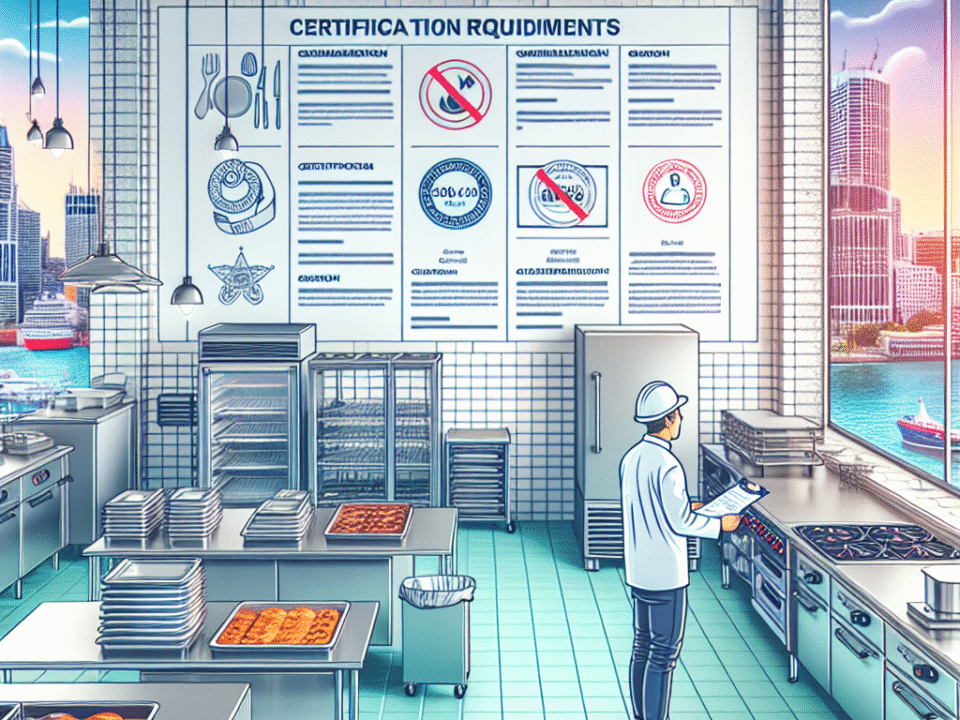
Photos / screenshots (illustrative, checklist-based)
These are screenshot-style visuals to help you recognize the common document categories.
For exact requirements, always confirm with the certifier you book.


Videos (YouTube embeds for visual walkthrough)
These videos are for context: how certification workflows look in practice.
In 2025, I still recommend you always use a certifier-specific checklist before submitting.
Tip: pause the video and compare the steps shown to the document picker above.
Second video (planning vs compliance reality check)
documents were already aligned—site plan + drawings + reports matched the scope.
The certifier’s job was mainly assessment, not chasing basics.
9. Purchase Recommendations (who should use this checklist)
Best For
- Homeowners preparing a renovation and searching private certifier near me.
- Builders coordinating document sets for faster booking and fewer re-uploads.
- Commercial teams who need a clearer “document first” approach for compliance.
- Anyone trying to pick a private building certifier sydney without wasting time.
Skip If
- You already have a certifier-provided checklist and a near-final document package.
- Your drawings are still “concept only” and you can’t provide a consistent set yet.
- Only the broad idea exists (no site plan or scope drawings), because certifiers can’t assess intent.
10. Where to Buy (book a private certifier)
Trusted starting points
If you’re looking for something like private certifier sydney open now, “within 400m,” or “top rated private certifier sydney,”
start with a provider that can confirm documents quickly.
- Use the Meta Certifiers site for guidance and matching: metacertifiers.au
- Book an appointment only once you’re ready to upload your base set.
What to watch for (so you don’t pay for rework)
- Ask for the document list upfront before you commit to anything.
- Confirm whether your project is residential, commercial private certifier sydney, or CDC.
- Request guidance on file naming and “final revision” handling.
- If you’re in regions like north/western Sydney, still prepare the same categories—just expect more detail for site constraints.
11. Final Verdict
Overall rating
Bottom line
If you want smoother approvals, prepare the documents first. Use the interactive checklist above to avoid the usual missing items.
Then book the certifier—ideally a top rated private certifier sydney who will confirm your document set quickly.
What to do next (simple steps)
- Run the document picker and generate your checklist.
- Gather site plan + drawing set + required reports (if your scope triggers them).
- Ask the certifier for a one-page “final required items” list before you pay for major work.
- If you’re comparing costs, check private certifier sydney cost alongside the likelihood of rework.
12. Evidence & Proof (extra verifiable proof pointers)
Data / measurements (what you can measure)
While every job differs, you can track these indicators to make your submission “measurably better”:
- First-round completeness rate: how many “missing items” were requested after your first upload.
- Revision count: how many drawing revisions were needed.
- Turnaround time: days between first submission and certifier acceptance.
Long-term update (follow-up note)
After extended use, the most durable habit is this: keep one “final revision” set you never overwrite.
When builders start changing drawings during construction, version control becomes the hidden document requirement.
Extra reading (3–5 links total, no repeats on this page)
These pages help you go deeper on approvals timing, fee comparisons, and how private certifiers work in NSW: